Why Your Card Transaction May Trigger a Security Check
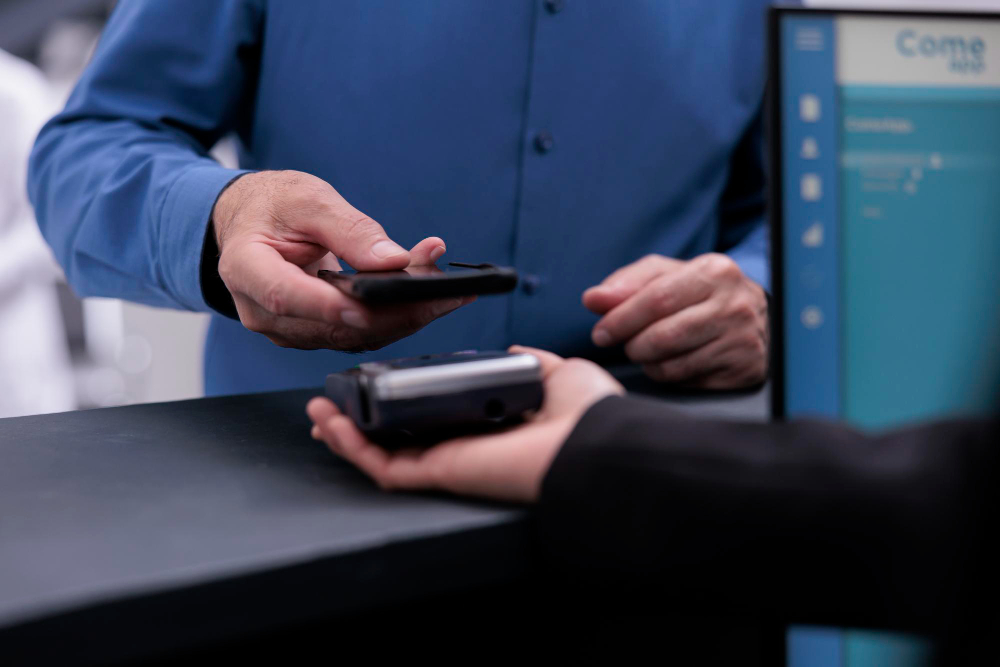
Card security checks are an important part of modern payment systems. They are designed to protect cardholders from unauthorized transactions and potential fraud.
Although these checks can sometimes interrupt a payment, they usually happen for a specific reason. Payment systems constantly analyze transactions and flag activity that appears unusual or potentially risky.
Understanding what triggers these checks can help you avoid confusion and quickly complete the verification process when it happens.
What a Card Security Check Means
A card security check is a temporary verification step that happens when a payment system detects something out of the ordinary during a transaction.
Depending on the situation, this may involve:
- Confirming the payment through additional authentication
- A temporary decline until the transaction is verified
- Short-term restrictions on further payments
These measures are widely used by banks and payment networks to prevent fraudulent activity.
Unusual Changes in Spending Behaviour
One of the most common triggers is a sudden change in spending habits. Payment systems build patterns based on previous activity, so unusual purchases may raise a flag.
Examples include:
- A significantly larger purchase than usual
- Transactions from unfamiliar merchant categories
These checks help detect situations where stolen card details might be used.
Payments from a New Country or Region
Transactions made from a different country or region can also trigger additional verification. If a card is suddenly used in a location that does not match recent activity, the system may require confirmation.
Common examples include:
- Making your first payment while traveling abroad
- Purchasing from international online stores
Location monitoring helps prevent cross-border fraud.
Multiple Transactions in a Short Time
Rapid or repeated transactions may resemble automated or suspicious activity.
This could include:
- Several small payments within a few minutes
- Multiple attempts after a payment is declined
Fraud detection systems monitor these patterns to stop unauthorized attempts quickly.
Transactions with Higher-Risk Merchants
Some merchants or industries historically experience higher levels of fraud. When transactions involve these types of businesses, additional verification may occur.
Examples include:
- Unknown or newly established online stores
- Certain digital or subscription services
This does not necessarily mean the merchant is unsafe—it simply reflects statistical risk patterns used by payment networks.
Online Payments Without a Physical Card
Payments made online or through mobile apps carry a slightly higher fraud risk because the physical card is not present.
Typical examples include:
- E-commerce purchases
- Subscription payments
- In-app purchases
Because of this, additional authentication methods are often required for online payments.
Incomplete or Failed Verification Attempts
If a security verification step is unsuccessful, the system may temporarily stop further transactions.
This could happen if:
- The verification code is entered incorrectly
- The authentication process is interrupted
These measures help prevent repeated unauthorized payment attempts.
New Devices or Unusual Account Activity
Payment systems also track the devices used to access accounts. Logging in from a new phone, browser, or device may trigger additional verification.
Examples include:
- Signing in from a new smartphone
- Sudden changes in account usage patterns
These checks help detect possible account takeover attempts.
What a Security Check Does Not Indicate
A security check does not automatically mean something is wrong with your account.
In most cases it does not mean:
- Your card has been compromised
- You made an error
- Your account has been permanently restricted
Security checks are usually resolved quickly once verification is completed.
How to Reduce Payment Verification Issues
Although security checks cannot always be avoided, a few simple habits may help reduce interruptions:
- Keep your contact details updated
- Respond quickly to verification requests
- Use trusted devices and secure internet connections
- Inform your provider before international travel when possible
Final Thoughts
Card security checks are a normal part of digital payment systems. They are designed to protect cardholders by identifying transactions that appear unusual or risky.
While they may occasionally delay a payment, these checks play an important role in preventing fraud and protecting your funds.
Frequently Asked Questions
Does a security check mean my card is blocked?
No. In most cases it simply means the transaction needs verification before it can proceed.
Why did a small purchase trigger verification?
Even small payments can appear unusual if they differ from typical spending patterns.
How long do security checks usually take?
Many checks are resolved within minutes once the required verification is completed.
Can these checks be completely avoided?
Not entirely. They are part of fraud prevention systems used across the payment industry.
What should I do if my card keeps getting declined?
Check for verification notifications or contact your card provider for assistance.
Disclaimer: This article is for informational purposes only and does not constitute financial or legal advice.